Preserving Our Heritage: Brick and Beam Restoration
Restoring historic buildings is more than just a construction project; it is a commitment to preserving our cultural heritage. Brick and beam restoration, in particular, plays a crucial role in maintaining the character and history of our communities. This blog post explores the significance of brick and beam restoration, the techniques involved, and the benefits of preserving these architectural treasures.
Understanding Brick and Beam Structures
What Are Brick and Beam Structures?
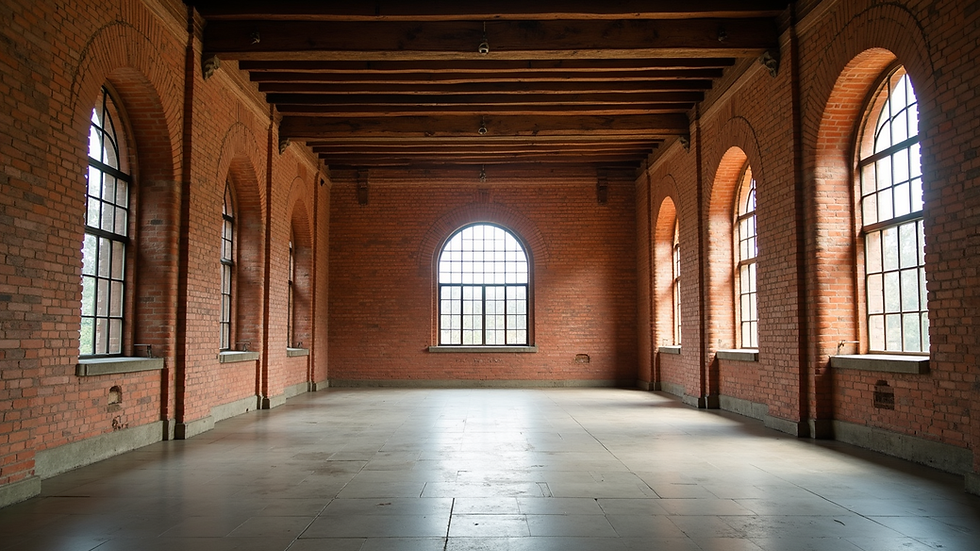
Brick and beam structures are characterized by their use of brick walls and wooden beams. These buildings often date back to the 19th and early 20th centuries, representing a time when craftsmanship and materials were of the highest quality. The combination of sturdy brick exteriors and robust wooden beams creates a unique aesthetic that is both functional and visually appealing.
Historical Significance
These structures tell the story of our past. They reflect the architectural styles, construction techniques, and materials available during their time of creation. By restoring brick and beam buildings, we not only preserve their physical form but also the stories and memories they hold.
The Importance of Restoration
Cultural Heritage
Restoring brick and beam structures helps maintain the cultural identity of a community. These buildings often serve as landmarks, reminding us of our history and heritage. When we invest in their restoration, we are investing in our collective memory.
Economic Benefits
Restoration can also have significant economic benefits. Revitalizing historic buildings can attract tourism, increase property values, and stimulate local economies. For example, cities that have embraced restoration projects often see a surge in visitors interested in their historical architecture.
Environmental Impact
Restoring existing structures is more sustainable than new construction. It reduces waste and conserves resources by reusing materials. Additionally, many older buildings were constructed with durable materials that can last for generations, making them a more environmentally friendly option.
Techniques in Brick and Beam Restoration
Assessment and Planning
Before any restoration work begins, a thorough assessment of the building is essential. This includes evaluating the structural integrity, identifying areas of damage, and understanding the historical significance of the materials used. A well-thought-out plan ensures that the restoration respects the building's original character while addressing necessary repairs.
Repairing Brickwork
Brickwork can suffer from weathering, cracking, and other forms of damage over time. Restoration techniques may include:
Repointing: This involves removing damaged mortar and replacing it with new mortar to restore the structural integrity of the brickwork.
Brick Replacement: In cases where bricks are beyond repair, matching replacement bricks can be sourced to maintain the building's original appearance.
Cleaning: Gentle cleaning methods, such as steam cleaning or using biodegradable solutions, can remove dirt and grime without damaging the bricks.
Restoring Wooden Beams
Wooden beams are often susceptible to rot, insect damage, and structural issues. Restoration methods include:
Reinforcement: Adding steel plates or brackets can strengthen weakened beams without compromising their historical integrity.
Replacement: In some cases, it may be necessary to replace severely damaged beams with new wood that matches the original in size and appearance.
Preservation: Applying protective coatings can help prevent future damage from moisture and pests.
Case Studies in Successful Restoration
The Old Mill Project
One notable example of successful brick and beam restoration is the Old Mill Project in a small town. Originally built in the late 1800s, the mill had fallen into disrepair. The restoration team focused on preserving the original brick façade while reinforcing the wooden beams. Today, the Old Mill serves as a community center, hosting events and activities that celebrate local history.
The Warehouse District Revival
In a larger urban setting, the Warehouse District underwent a transformation through brick and beam restoration. Many of the old warehouses were converted into loft apartments and commercial spaces. The project not only preserved the architectural heritage but also revitalized the neighborhood, attracting new businesses and residents.
Challenges in Restoration
Balancing Modern Needs with Historical Integrity
One of the primary challenges in brick and beam restoration is balancing modern needs with the preservation of historical integrity. While it is essential to maintain the building's original character, it is also necessary to update facilities to meet current safety and accessibility standards.
Finding Skilled Craftspeople
Restoration requires specialized skills that are often in short supply. Finding craftsmen who understand traditional building techniques can be a challenge. Investing in training programs and apprenticeships can help ensure that these skills are passed down to future generations.
The Future of Brick and Beam Restoration
Community Involvement
Community involvement is crucial for the success of restoration projects. Engaging local residents in the planning and execution of restoration efforts fosters a sense of ownership and pride in their heritage. Community workshops and educational programs can help raise awareness about the importance of preserving brick and beam structures.
Sustainable Practices
As we move forward, incorporating sustainable practices into restoration projects will be essential. This includes using eco-friendly materials, energy-efficient systems, and methods that minimize environmental impact. By prioritizing sustainability, we can ensure that our historic buildings remain viable for future generations.
Conclusion
Brick and beam restoration is a vital practice that preserves our architectural heritage while providing economic and environmental benefits. By understanding the significance of these structures and investing in their restoration, we can maintain the character of our communities and honor our history. As we look to the future, let us embrace the challenge of preserving our past for the benefit of generations to come.
Whether you are a homeowner, a community leader, or simply someone who appreciates history, consider how you can support brick and beam restoration efforts in your area. Together, we can ensure that these architectural treasures continue to tell their stories for years to come.

Comments